
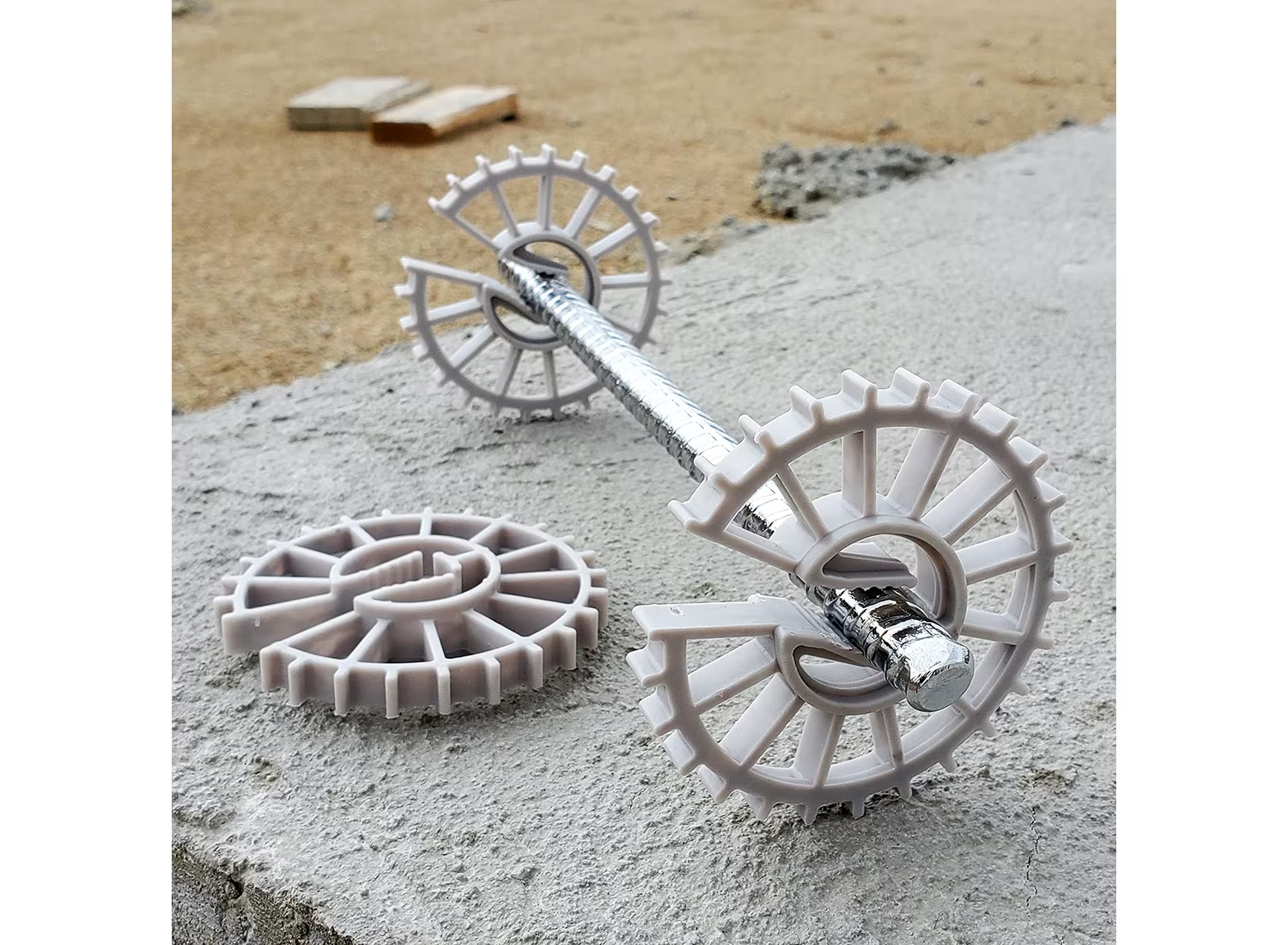
On paper, dobies, chairs, and wheels all serve the same purpose: holding rebar at the correct elevation so concrete cover is maintained. On the jobsite, though, choosing the wrong support can slow placement, damage formwork, or create inspection issues later.
Experienced crews don’t pick supports randomly. They choose based on movement, placement speed, and spec requirements.
Dobies are concrete spacers designed to stay put once installed. They’re typically tied in place and don’t move during placement.
Crews tend to use dobies when:
Dobies are simple and predictable. Once they’re set, they don’t roll, flex, or adjust — which is exactly the point.
Chairs are designed to support rebar while placement continues. They allow crews to move, adjust, and tie steel efficiently across slabs and decks.
Chairs are commonly used when:
In high-production slab work, chairs help keep things moving without constantly retying or repositioning steel.
Wheels are used when rebar needs to be supported and moved into position, especially against vertical formwork.
They’re often chosen for:
Wheels maintain spacing while allowing controlled movement — something dobies and chairs aren’t designed to do.
There’s no “best” rebar support — only the right one for the job.
Knowing when to use each keeps placement efficient and helps avoid problems once concrete is down.