
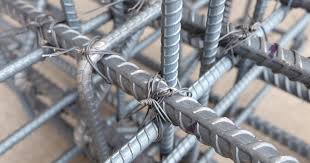
Tie wire is one of the most commonly used materials on any reinforcing jobsite. While it may seem like a small detail, the right tie wire helps crews keep reinforcing steel in position during placement and concrete pours.
On slabs, decks, foundations, and structural pours, tie wire holds rebar intersections together so the reinforcement stays aligned while crews walk the mat and place concrete.
Without proper ties, reinforcing steel can shift, causing spacing issues or failed inspections.
Contractors typically use several types depending on the job:
Black Annealed Tie Wire
The most common type used for general rebar tying. It is flexible, easy to twist, and strong enough to hold intersections securely.
Epoxy-Coated Tie Wire
Used when working with epoxy-coated reinforcing steel to prevent damage to the coating.
Stainless Steel Tie Wire
Used in corrosive environments such as marine construction, wastewater facilities, or bridges.
Tie wire is used in nearly every type of reinforcing project:
• Slabs on grade
• Structural decks
• Foundations
• Bridge work
• Industrial floors
• Tilt-up panels
Crews rely on consistent wire quality so ties don’t break during placement.
Factors that influence tie wire selection include:
• Bar size
• Environmental conditions
• Coating requirements
• Installation method (pliers or tying gun)
Most contractors keep multiple gauges available so crews can move quickly without adjusting tools.
Because reinforcing schedules can change quickly, having reliable supply matters.
At Vista Construction Supply, we provide:
• Black annealed tie wire
• Epoxy coated tie wire
• Stainless tie wire
• Loop ties
Reliable tie wire supply helps rebar placement contractors maintain consistent spacing, pass inspections, and keep reinforcing work on schedule.
Need tie wire for your next project?
Vista Construction Supply provides black annealed, epoxy coated, and stainless steel tie wire for rebar placement contractors, fabrication shops, and concrete crews across California. Fast delivery helps crews stay productive and keep schedules moving.
Delivered across California, including the Sacramento region, Bay Area, Central Valley, Northern California, and Southern California, with regular deliveries to Nevada and the Western U.S. so crews can keep work moving.