
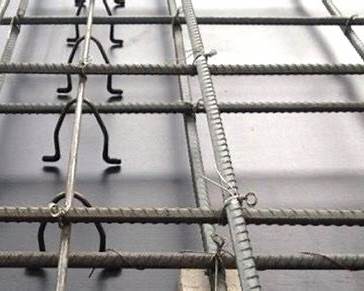
Rebar accessories rarely get much attention. They’re ordered quickly, delivered in bulk, and expected to just work. But when they don’t, the impact is immediate — and costly.
Crews who’ve been through failed pours or inspection issues know that accessories play a bigger role than their line item suggests.
Accessories don’t carry structural loads, but they directly affect placement accuracy. When supports crack, bend, or shift:
As one experienced contractor put it: rework is straight loss.
The difference between a smooth pour and a problem job often comes down to consistency:
Reliable accessories don’t draw attention to themselves — and that’s the goal.
Even the right accessory causes problems if it shows up late.
On many jobs, materials are needed the day before or the morning of placement. Delays force crews to improvise or substitute — neither of which ends well.
That’s why experienced buyers value suppliers who:
Availability is part of quality.
Rebar accessories aren’t where jobs are won — but they’re often where they’re lost.
Paying attention to the basics — quality, consistency, and timing — helps crews keep work moving and avoid problems that show up long after the concrete sets.